Smart POS Android terminals
Our Dejavoo integrations (QD & P Lines) enable linked2pay, API, gateway and linked2invoice users to securely process efficient in-person card transactions.
These integrations provide:
In-person card acceptance, including EMV chip, magnetic stripe, and contactless (NFC) payments
Certified for advanced security standards like PCI compliance, encryption, and tokenization
Accepts All Major Payment Methods
Real-time sales and remote reporting
Transactions are secure and compliant
Wireless mobility for payments anywhere
Smart POS Android terminals
Our Dejavoo integrations (QD & P Lines) enable linked2pay, API, gateway and linked2invoice users to securely process efficient in-person card transactions.
These integrations provide:
In-person card acceptance, including EMV chip, magnetic stripe, and contactless (NFC) payments
Certified for advanced security standards like PCI compliance, encryption, and tokenization
Accepts All Major Payment Methods
Transactions are secure and compliant
Real-time sales and remote reporting
Wireless mobility for payments anywhere
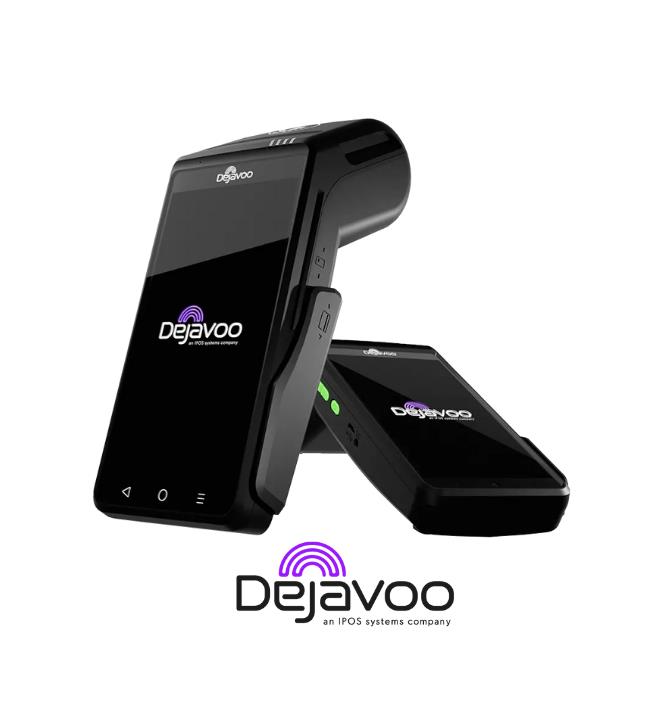
The Dejavoo/linked2pay connection
Dejavoo hardware (QD & P Lines) serves as the secure POS, while linked2pay manages transaction processing, reporting, and software-based payment workflows centrally.
Questions & Answers
Here are the most common questions with answers.
1. How does the integration help ISOs expand offerings?
ISOs can offer card-present and invoice-based payments through one integrated platform, expanding use cases, merchant value, and overall portfolio growth.
2. How does it improve ISO revenue opportunities?
By supporting more payment types, ISOs increase merchant adoption, transaction volume, processing revenue, and long-term account value across portfolios nationwide.
3. How does it simplify ISO onboarding?
ISOs deploy terminals, gateway access, and invoicing together, reducing setup steps, accelerating onboarding, and delivering faster time-to-revenue for merchants everywhere.
4. How does it strengthen merchant retention?
A consistent experience across in-person payments and invoices improves usability, strengthens trust, and keeps merchants processing longer with fewer issues.
5. How does it reduce ISO operational complexity?
Centralized reporting, support, and settlement across hardware and software reduces ISO overhead, support tickets, and ongoing operational burden significantly overall.
6. How does it help ISOs sell to more merchants?
Supporting card-present, card-not-present, and invoiced payments lets ISOs serve diverse merchants, industries, and selling environments with flexible acceptance options on a broader scale.
Interested, have additional questions? Get in Touch